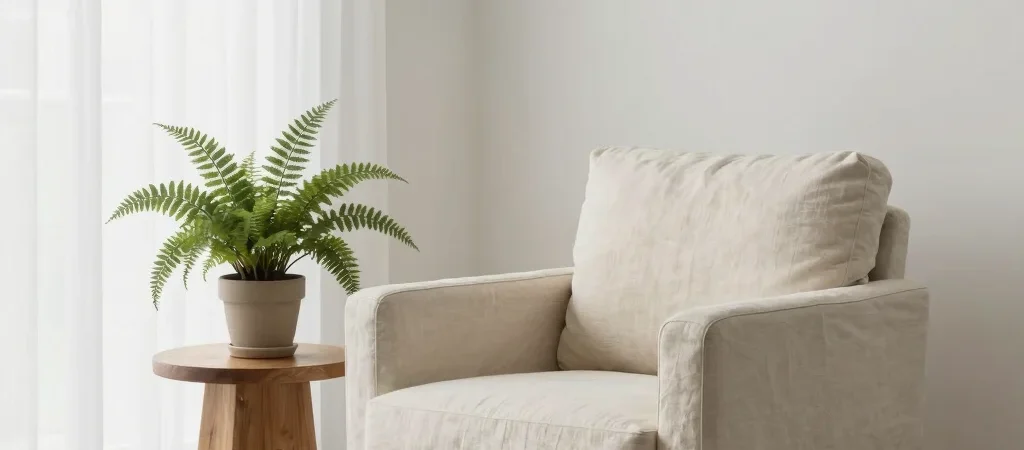
Our living environments quietly shape our internal states long after we step inside the door. When surfaces overflow with clutter and visual noise, our minds struggle to fully unwind. Designing a sanctuary begins by asking what truly belongs in our daily sanctuary.
Clearing the Excess Visual Noise
Removing unnecessary items from coffee tables and open shelving immediately breathes fresh air into a room. Generous white space allows the eye to rest and highlights the few objects that hold genuine meaning. A lighter room invites a lighter mind.
Embracing Natural Textures and Tones
Synthetic fabrics and harsh artificial lighting often introduce an unintentional tension into quiet living spaces. Incorporating washed linen throw blankets, unvarnished wood accents, and warm low-kelvin lighting softens the overall atmosphere. Earthy textures naturally cultivate a comforting environment.
Arranging Spaces for Human Connection
Positioning furniture around natural light sources or conversational nooks rather than focal screens alters how we inhabit a room. A simple armchair facing a window encourages reflection and slow reading. Intentional placement transforms a house into an active haven of quiet comfort.